

Carols are foundational to the celebration of Christmas season. Modern pop songs and jingles provide abundant opportunities to sing during the holidays, too. Singing is one of those rare activities that don’t require talent to be enjoyable — those who can’t carry a tune can have just as much fun as professionally trained. Partaking in song is one of the great joys of being human.
One of my gifts is a contralto voice. Another is the ability to harmonize, a mode of singng I actually prefer.
“For millennia, humans have used song to soothe, grieve, celebrate, and connect. It’s one of our oldest forms of communication,” Elisha Ellis Madsen, board-certified music therapist. “Now, science is catching up. Physiologically, singing regulates the nervous system through rhythmic breathing and vibration, which calm the body whether or not it ‘sounds good.’ Emotionally, it reawakens our capacity for play and self-expression — things many adults have lost touch with.”
In addition to those boons, there are myriad other mental and physical benefits of channeling your inner rock star. In fact, these benefits are impactful enough for us to make the case that you should be singing much more than you currently do –
-
Singing reduces stress

The tension-relieving power of singing is well-established. “Singing is one of the most accessible forms of stress relief we have,” said Madsen. “It slows the breath, steadies the nervous system, and strengthens both body and brain.”
-
Boosts Cognitive Health
According to several studies, singing may boost cognitive function. A paper published in September found that “lifetime duration of choir singing was associated with enhanced episodic memory and verbal fluency,” and a 2021 cross-sectional study found that “choir singers performed better than controls on the verbal flexibility domain of executive function.”
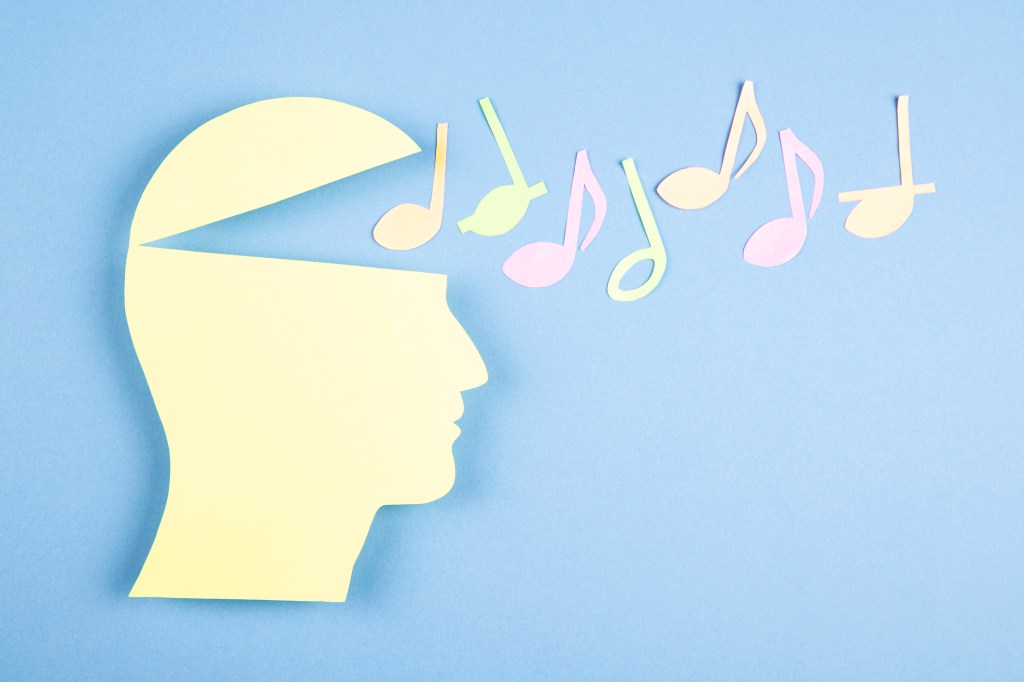
“Neurologically, research shows that singing lights up multiple areas of the brain — language, memory, motor, and emotion,” explained Madsen, “which helps preserve cognitive flexibility and protect against cognitive decline.” Music is a core of some effective stroke recovery programs.
A 2025 literature review that assessed the impact of singing on cognitive health in aging adults concluded that “as a low-cost, scalable intervention, singing holds promise for addressing cognitive and emotional challenges associated with aging, offering an accessible avenue to support healthy aging and enhance quality of life across diverse populations.”
-
Improves Respiratory Function
When you take a deep breath and let it out by singing, you’re actually improving your respiratory function, research suggests. A 2016 study found that the average lung capacity of university choir participants was higher than that of non-choir students, and a 2021 review determined that, while more research is needed, “there is a good theoretical rationale to support the therapeutic use of singing for people with COPD [chronic obstructive pulmonary disease] as a method of improving physiological parameters and breath control.”
-
Stimulates the Immune Response
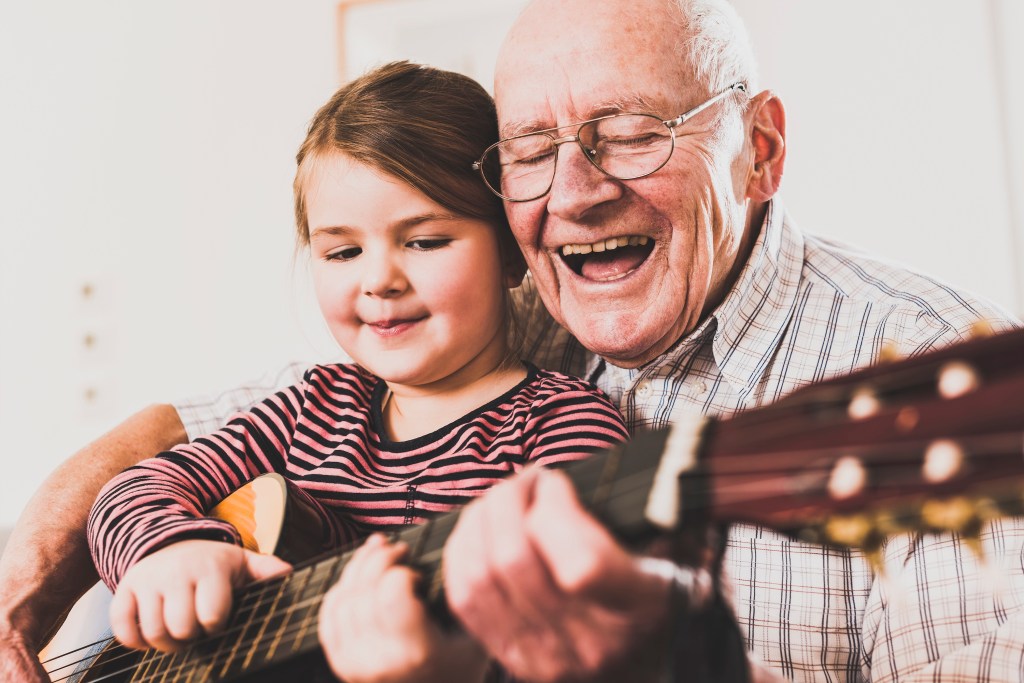
In the 2016 study of cancer patients and their caregivers, group singing was also associated with an increase in the activity of cytokines — proteins that assist the immune system in defending against disease. The authors posited that this could be related to the decrease in cortisol, though they noted it was impossible to determine causality over correlation.
One of the more well-documented benefits of singing is its ability to foster social bonding. At least two studies have found that crooning alongside others raised levels of oxytocin — including this 2025 paper. Additionally, a 2012 studydetermined that social connectedness was one of the positive outcomes of a choir singing program for adults living with chronic mental illness or disability.
And research from 2015 that evaluated adult education participants in singing and non-singing classes found that those in the former felt connected to each other faster than those in the latter. This was dubbed “the icebreaker effect” (and has us wondering if singalongs would be a better idea for warming up at work retreats than sharing fun facts about ourselves).
Here’s a blog post I wrote to reiterate all this: https://www.pjcolando.com/music-to-improve-the-mood-and-unite-those-in-isolation/
Recent Comments